
1. Introducere
This manual provides essential information for the setup, operation, and maintenance of the Stemedu Heltec ESP32 915MHz LoRa V3 Development Board. This board is a versatile IoT development platform integrating Wi-Fi, Bluetooth Low Energy (BLE), and LoRa communication capabilities, featuring an onboard 0.96-inch 128x64 OLED display. It is designed for various intelligent scene applications, including Meshtastic and Arduino projects.

Figure 1: Heltec ESP32 915MHz LoRa V3 Development Boards with included accessories.
2. Conținutul pachetului
Verificați dacă toate articolele enumerate mai jos sunt prezente în colet. Dacă lipsesc sau sunt deteriorate componente, vă rugăm să contactați serviciul de asistență pentru clienți.
- 2 x Heltec ESP32 LoRa V3 SX1262 0.96 inch OLED Display Development Boards
- 2 x 868MHz/915MHz GSM IPX IPEX 1.13 UF.L Antennas
- 2 x Terminal Connector Cables
- 4 x conectori de pini
3. Produs terminatview and Key Differences (V2 vs. V3)
The Heltec WiFi LoRa 32 V3 board is an evolution of the V2, incorporating several key upgrades for enhanced performance and usability.

Figure 2: Comparison of key specifications between WiFi LoRa 32 V2 and V3.
Key Differences:
- Unitate de microcontroler (MCU): V3 utilizes the ESP32-S3FN8 dual-core processor, an upgrade from the V2's ESP32-D0WDQ6. This change affects GPIO pin definitions.
- LoRa Chip: V3 features the SX1262 LoRa chip, offering improved performance over the V2's SX1276/8.
- Interfata USB: V3 incorporates a modern USB Type-C interface, replacing the Micro USB found on V2.
- Oscilator cu cristal: V3 uses a high-precision temperature-compensated crystal oscillator for better stability.
- Low Power Features: V3 offers significantly lower power consumption in deep sleep mode (less than 10uA) compared to V2 (approximately 800uA).
- RF Circuitry: V3 includes better impedance matching for its RF circuits.
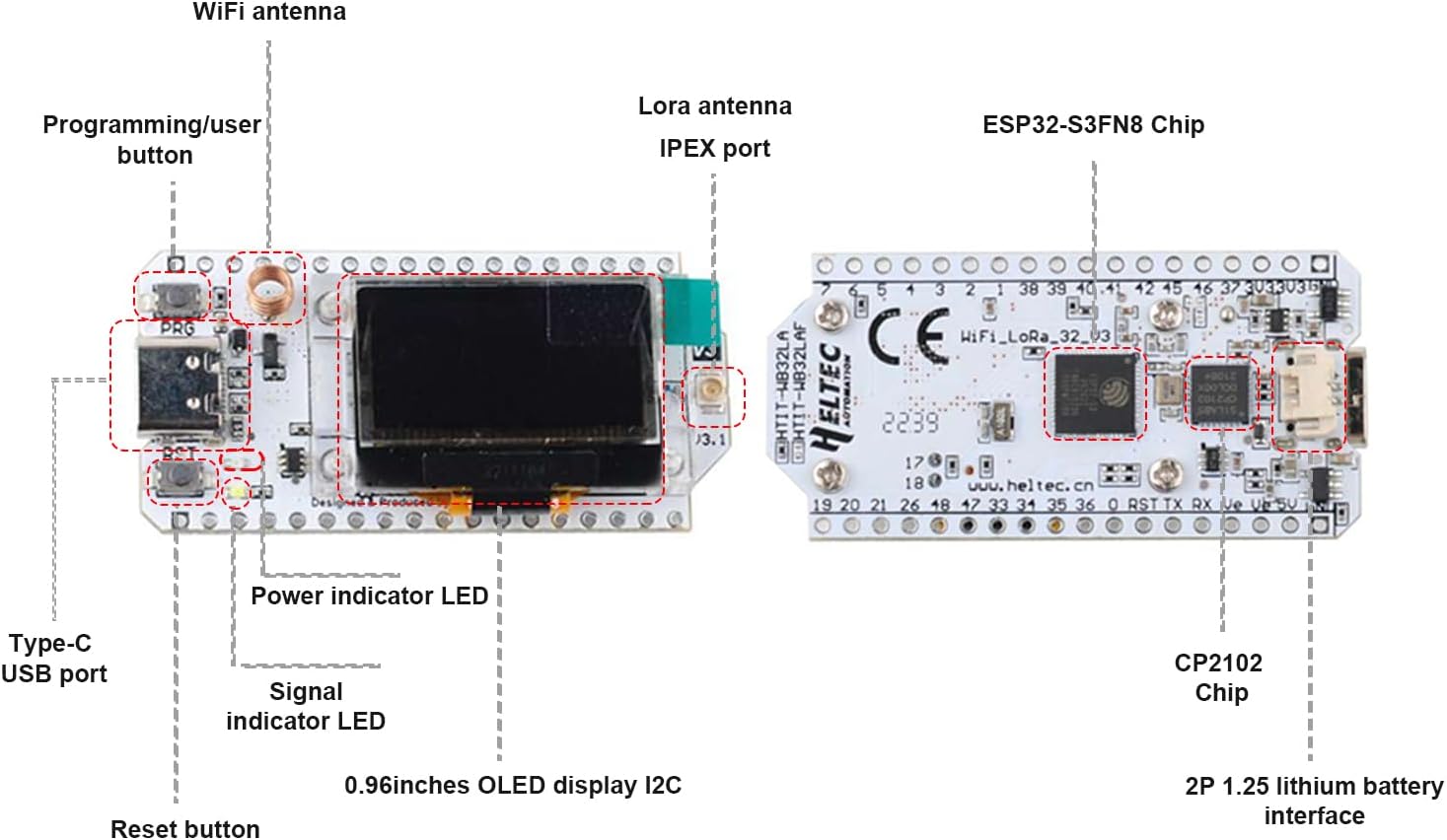
Figura 3: Sus view comparison (V2 vs V3).

Figure 4: USB interface comparison (V2 vs V3).
4. Aspectul plăcii și configurația pinilor
4.1. Identificarea componentelor
Familiarize yourself with the main components of the Heltec ESP32 LoRa V3 board as illustrated below.

Figure 5: Heltec ESP32 LoRa V3 Board Component Layout.
- Antena WiFi: For 2.4GHz Wi-Fi communication.
- Programming/User Button (PRG): Used for entering bootloader mode or as a general-purpose button.
- Buton de resetare (RST): Resets the ESP32-S3 microcontroller.
- Port USB de tip C: For power supply, data communication, and programming.
- LED indicator de alimentare: Illuminates when the board is powered.
- Signal Indicator LED: LED programabil de utilizator.
- 0.96-inch OLED Display I2C: 128x64 pixel monochrome display.
- LoRa Antenna IPEX Port: Connects to the external LoRa antenna.
- ESP32-S3FN8 Chip: Dual-core microcontroller with Wi-Fi and BLE.
- CP2102 Chip: USB-to-UART bridge for serial communication.
- 2P 1.25 Lithium Battery Interface: For connecting a 3.7V LiPo battery (battery not included).
4.2. Diagrama de pinout
The pinout diagram details the functionality of each pin on the Heltec ESP32 LoRa V3 board. Refer to this diagram for proper connection and programming.

Figure 6: Heltec ESP32 LoRa V3 Pinout Diagram.
Legendă: Physical Pin (Grey), GND (Black), Power (Red), GPIO (Pink), ADC/DAC (Green), Serial SPI I2C (Light Blue), Connected (Dark Blue), Other (White), Pull Up/Down (Yellow Arrows).
5. Configurare și utilizare inițială
5.1. Conexiune antenă
Before powering on the board, ensure the 915MHz LoRa antenna is securely connected to the IPEX port. Operating the LoRa module without an antenna can cause damage.
- Carefully align the IPEX connector on the antenna cable with the IPEX port on the board.
- Gently press down until you feel a click, indicating a secure connection.
5.2. Sursa de alimentare
The board can be powered via the USB Type-C port or a 3.7V lithium battery.
- USB tip C: Connect a standard USB Type-C cable to the board and a power source (e.g., computer USB port, USB wall adapter). The Power Indicator LED will illuminate.
- Baterie cu litiu: Connect a 3.7V lithium battery to the 2P 1.25mm connector. The board includes a charging circuit for connected batteries when powered via USB.
5.3. Configurarea mediului de dezvoltare
To program the Heltec ESP32 LoRa V3 board, you will typically use the Arduino IDE or PlatformIO.
- Install the Arduino IDE or PlatformIO.
- Add the ESP32 board support package for your chosen IDE. Specific instructions can be found on the official Heltec Automation website or Espressif documentation.
- Install necessary libraries for LoRa, OLED display, and other functionalities (e.g., Heltec ESP32 library).
- Connect the board to your computer via the USB Type-C cable.
- Select the correct board model and COM port in your IDE.
6. Instrucțiuni de utilizare
6.1. Basic LoRa Communication
The LoRa module allows for long-range, low-power wireless communication.
- Transmiterea: Program one board to send data packets using the LoRa library. Ensure the correct frequency (915MHz for this model) and spreading factor are configured.
- Primirea: Program a second board to listen for incoming LoRa packets on the same frequency and with matching parameters.
- Examppe: For Meshtastic applications, refer to the official Meshtastic documentation for firmware installation and configuration.
6.2. Wi-Fi and BLE Functionality
The ESP32-S3 microcontroller supports standard Wi-Fi (802.11 b/g/n) and Bluetooth Low Energy (BLE) protocols.
- Wifi: Use standard ESP-IDF or Arduino Wi-Fi libraries to connect to access points, host soft APs, or establish peer-to-peer connections.
- BLE: Implement BLE client or server roles for short-range communication with other BLE-enabled devices.
6.3. OLED Display Usage
The onboard 0.96-inch OLED display can be used to show sensor data, status messages, or other information.
- Utilize an appropriate OLED library (e.g., U8g2, Adafruit SSD1306) to initialize and draw graphics/text on the display.
- The display communicates via I2C. Ensure correct I2C pins are configured in your code.
7. Întreținere
To ensure the longevity and optimal performance of your Heltec ESP32 LoRa V3 board, follow these maintenance guidelines:
- Depozitare: Store the boards in an anti-static bag in a dry, cool environment when not in use.
- curatenie: Use a soft, dry brush or compressed air to remove dust from the board. Avoid using liquids or harsh chemicals.
- Manipulare: Always handle the board by its edges to avoid touching sensitive components or introducing static discharge.
- Îngrijirea antenei: Ensure the LoRa antenna is not bent or damaged. Disconnect it carefully when transporting the board.
8. Depanare
Această secțiune abordează problemele frecvente pe care le-ați putea întâmpina.
- Placa de bază nu este recunoscută de computer:
- Ensure the USB Type-C cable is fully inserted and functional.
- Install the correct CP210x USB to UART Bridge drivers for your operating system.
- Încercați un alt port USB sau cablu.
- Failed to upload code:
- Verify that the correct board and COM port are selected in your IDE.
- Press and hold the "PRG" (Boot) button, then press and release the "RST" (Reset) button, then release "PRG" to enter bootloader mode before uploading.
- Check for correct ESP32 board support package installation.
- Ecranul OLED nu funcționează:
- Ensure the OLED library is correctly installed and initialized in your code.
- Verify that the I2C pins used in your code match the board's pinout.
- Check for any physical damage to the display.
- LoRa communication issues:
- Confirm the LoRa antenna is securely connected.
- Ensure both transmitting and receiving boards are configured with matching frequencies, spreading factors, and other LoRa parameters.
- Check the range and environmental factors (obstacles, interference).
9. Specificatii tehnice
Detailed technical specifications for the Heltec ESP32 915MHz LoRa V3 board.
| Caracteristică | Caietul de sarcini |
|---|---|
| microcontroler | ESP32-S3FN8 Dual-core Processor |
| LoRa Chip | SX1262 |
| Frecvența LoRa | 915MHz (863~928MHz supported) |
| Wi-Fi standard | 802.11 b/g/n, până la 150 Mbps |
| Bluetooth | Bluetooth cu consum redus de energie (BLE) |
| Afişa | 0.96-inch 128x64 OLED (I2C) |
| Interfață USB | USB tip C |
| Alimentare electrică | USB Type-C (5V) or 3.7V Lithium Battery |
| Sistem de operare | FreeRTOS (compatible with Arduino IDE, PlatformIO) |
| RAM | 512 KB SRAM |
| Memorie flash | 8 MB |
| Greutatea articolului | 1.12 uncii (aproximativ 31.75 grame) |
| Dimensiuni | Refer to Figure 7 for detailed dimensions. |

Figure 7: Heltec ESP32 LoRa V3 Board Dimensions.
10. Garanție și asistență
Stemedu products are designed for reliability and performance. For warranty information, technical support, or assistance with your Heltec ESP32 915MHz LoRa V3 board, please refer to the official Stemedu website-ul lor sau contactați direct serviciul lor de asistență pentru clienți.
For additional resources, community forums, and example code, consider visiting the Heltec Automation official website or relevant online communities for ESP32 and LoRa development.